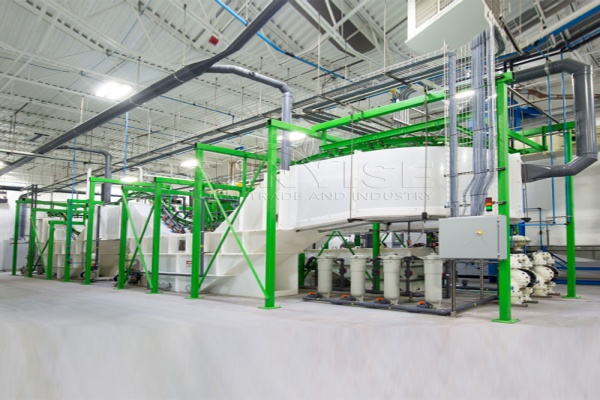
صنعتی کاری نے بہت سے برقی اور الیکٹرانک آلات کی ایجاد کا باعث بنی ہے جس نے ہماری زندگی کو نسبتا easy آسان بنا دیا ہے. اس کے نتیجے میں الیکٹرانک کچرے کی نسل میں اضافہ ہوا ہے (ای فضلہ). میں 2019, ای ویسٹ کی عالمی نسل کے بارے میں تھا 53.6 ملین ٹن, اور توقع کی جاتی ہے کہ اس تک پہنچ جائے گی 74 بذریعہ ملین ٹن 2030. میں 2019, ایشیا, امریکہ, اور یورپ پیدا ہوا 50 ملین ٹن ای فضلہ, جبکہ افریقہ اور اوشیانا پیدا ہوئے 2.9 ملین ٹن اور 0.7 ملین ٹن, بالترتیب. تو, کیا ای فضلہ سمجھا جاتا ہے? اگر آپ کی دلچسپی ہے, براہ کرم پڑھنا جاری رکھیں.
پہلے, اس ویڈیو کو چیک کریں. تب آپ ای ویسٹ کی موجودہ صورتحال کے بارے میں ابتدائی تفہیم حاصل کرسکتے ہیں ……
ای ویسٹ کی تعریف

الیکٹرانک فضلہ, عام طور پر ای فضلہ کے نام سے جانا جاتا ہے, حالیہ برسوں میں اس کے دور رس معاشرے کی طرف بڑھتی ہوئی توجہ حاصل کی ہے, ماحولیاتی اور معاشی اثرات. الیکٹرانک آلات اور صارفین کی تیز رفتار ترقی کے ساتھ اپنی الیکٹرانک مصنوعات کو مستقل طور پر اپ گریڈ کرتے ہیں, پیدا ہونے والی ای فضلہ کی مقدار بڑھ گئی ہے.
یورپی کمیشن کے ذریعہ اعلان کردہ ای ویسٹ میں ضائع شدہ الیکٹرانک اور بجلی کے سامان شامل ہیں. اس قسم کے فضلہ میں متعدد تکنیکی مصنوعات شامل ہیں جو ان کی خدمت کی زندگی سے تجاوز کر چکی ہیں یا غیر موثر ہیں. الیکٹرانک آلات میں نقصان دہ عناصر اور شامل ہیں, شہروں میں پیدا ہونے والے عام کچرے کے برعکس, وہ ماحولیاتی نظام اور انسانی صحت کو ایک بڑا خطرہ لاحق ہیں.
بہت سے ممالک, خاص طور پر ترقی پذیر ممالک, ای ویسٹ کو صحیح طریقے سے سنبھالنے اور ریسائیکل کرنے کے لئے انفراسٹرکچر کی کمی ہے, نامناسب ای ویسٹ ڈسپوزل کی وجہ سے ماحولیاتی اور صحت کے خطرات کا باعث بنتا ہے. فی الحال, بہت سے لوگ خطرناک طریقے استعمال کرتے ہیں جیسے کھلی جلانے, لینڈ فلنگ, کھلی ڈمپنگ, غیر رسمی طور پر ختم اور دستی ری سائیکلنگ. ان طریقوں سے صحت عامہ کے لئے ایک خاص خطرہ ہے. تاکہ مناسب تصرف کی اعلی قیمت سے بچ سکے, بہت سے ترقی یافتہ ممالک ترقی پذیر ممالک جیسے ہندوستان اور افریقہ کو ای فضلہ برآمد کرنے کا انتخاب کرتے ہیں. یہ ممالک فی الحال ای ویسٹ مینجمنٹ کے لئے ناکافی انفراسٹرکچر کے مسئلے سے جدوجہد کر رہے ہیں.
ری سائیکل ای-واسٹس کیا ہیں؟?
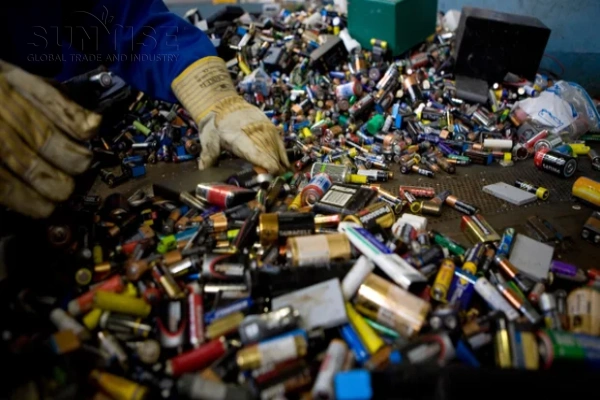
لتیم بیٹریاں
کیونکہ لتیم بیٹریاں بہت سارے دوبارہ استعمال کے قابل مواد پر مشتمل ہیں:
لتیم: لتیم لتیم بیٹریوں کا ایک کلیدی جزو ہے, اور ری سائیکل شدہ لتیم کو نئی لتیم بیٹریاں بنانے کے لئے استعمال کیا جاسکتا ہے. مثال کے طور پر, برقی گاڑیوں اور پورٹیبل الیکٹرانک آلات میں, خام مال کے اخراجات کو کم کرنے اور لتیم وسائل کی فراہمی کو یقینی بنانے کے لئے لتیم کی ری سائیکلنگ اور دوبارہ استعمال ضروری ہے.
کوبالٹ: Many lithium batteries contain cobalt in the positive electrode materials, such as lithium cobalt oxide (LiCoO₂). Cobalt is a rare and expensive metal, and recycled cobalt can be reused in the battery manufacturing industry, reducing dependence on newly mined cobalt resources.
Nickel: Some lithium batteries (such as nickel-cobalt-manganese oxide (NCM) بیٹریاں) contain nickel. The recycling of nickel helps to recycle resources, and in the production of new batteries, recycled nickel can meet some of the raw material needs.
Copper and aluminum: Copper and aluminum are usually used in the casing and electrode connection parts of lithium batteries. These metals can be purified through recycling processes and then reused in electronic equipment manufacturing or other industrial uses.
Recycling methods:
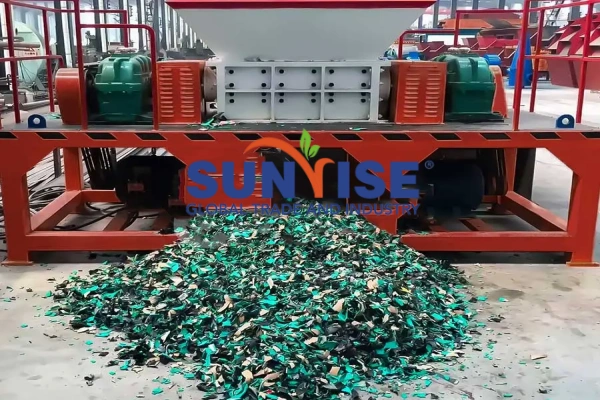
Lithium batteries recycling production line Includes steps such as disassembly, crushing and screening. پہلے, disassemble the waste lithium battery, separate the shell, electrode and other parts, then crush the electrode material, and separate copper, aluminum and other metals by screening and magnetic separation.

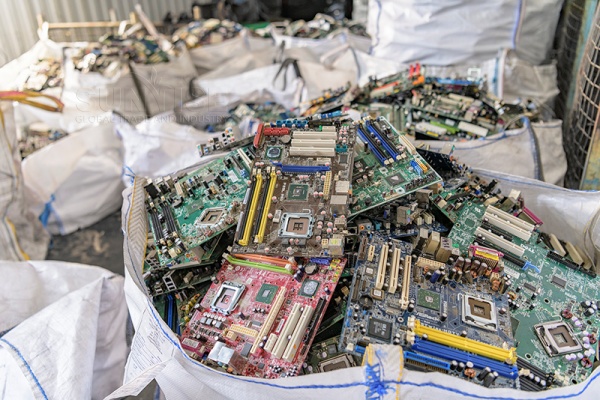
Circuit board
Recycled materials:
Precious metals: Circuit boards contain precious metals such as gold, چاندی, and platinum. Gold is mainly used for pins, contacts and connection parts of some high-precision electronic components on circuit boards because it has good conductivity and corrosion resistance. Silver is often used in circuit boards and some components such as capacitors. These precious metals have high recycling value and can be reused in industries such as electronic component manufacturing or jewelry.
Non-ferrous metals: Copper is the most important non-ferrous metal in circuit boards and is used to make circuits and connecting wires of various electronic components. Recycled copper can be used to make new wires, cables and electronic components. In addition, circuit boards also contain a small amount of tin, which is mainly used for welding electronic components. The recycled tin can be used again in the production of welding materials.
Rare metals: Such as tantalum, which is used in some high-performance capacitors on circuit boards. The recycling of tantalum helps meet part of the demand for rare metals in the electronics industry because tantalum resources are relatively scarce.
Circuit board recycling method:
پہلے, disassemble the circuit board to remove large components, اور پھر سرکٹ بورڈ کو چھوٹے ذرات میں توڑ دیں. پھر جسمانی چھانٹنے کے طریقے استعمال کریں جیسے کشش ثقل چھنٹائی, مختلف دھاتوں اور غیر دھاتی مواد کو الگ کرنے کے لئے مقناطیسی علیحدگی اور الیکٹرو اسٹاٹک چھانٹ رہا ہے.
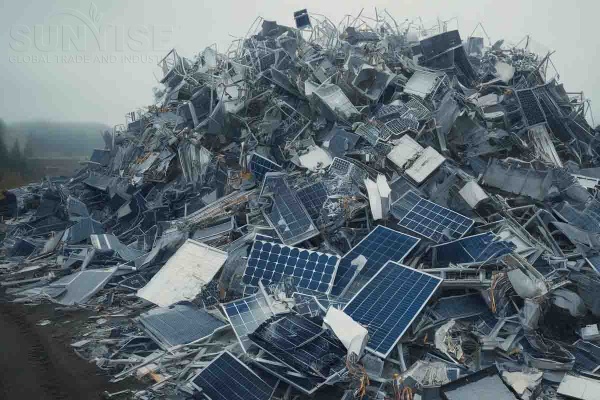
شمسی پینل
قابل تجدید مواد:
سلکان: سلیکن فوٹو وولٹک پینلز کا بنیادی مواد ہے, خاص طور پر کرسٹل سلیکن فوٹو وولٹک پینلز میں. طہارت اور دیگر عملوں کے بعد فوٹو وولٹک پینل مینوفیکچرنگ میں ری سائیکل سلیکن کو دوبارہ استعمال کیا جاسکتا ہے, یا سیمیکمڈکٹر سے متعلق دیگر صنعتوں میں استعمال ہوتا ہے.
چاندی: فوٹو وولٹک پینلز کے الیکٹروڈ حصے میں عام طور پر چاندی ہوتی ہے, جو موجودہ کو جمع کرنے اور چلانے کے لئے استعمال ہوتا ہے. ری سائیکل چاندی کا استعمال نئے فوٹو وولٹک پینل الیکٹروڈ یا دوسرے الیکٹرانک آلات کے کوندک حصے بنانے کے لئے کیا جاسکتا ہے.
ایلومینیم: فوٹو وولٹک پینلز کا فریم عام طور پر ایلومینیم سے بنا ہوتا ہے, and recycled aluminum can be used to make new photovoltaic panel frames or other aluminum products.
Glass: The panel of photovoltaic panels is mainly made of glass. Recycled glass can be used in industries such as architectural glass and automotive glass after cleaning and processing.
How to recycle waste solar panel:
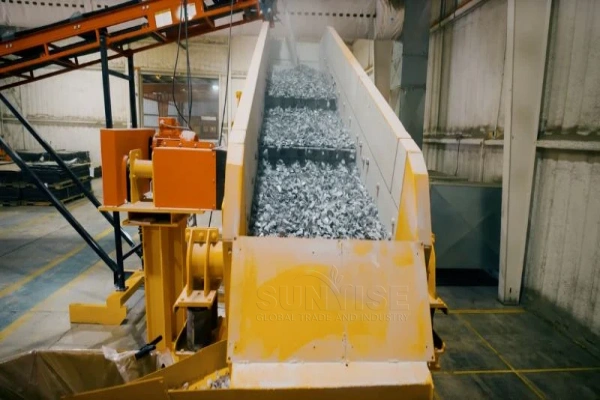
پہلے, use a frame remover to disassemble the photovoltaic panel and separate components such as glass, aluminum frame and battery cells. After the glass is removed, the photovoltaic panel is crushed with a crusher. The silicon wafers separated from the battery cells are first crushed and ground into smaller particles or powders, and then screened using screening equipment to filter out silicon, تانبے, and EVA glue.
Policies for electronic waste recycling
Let’s take some countries as examples!
| Country | Policy | Outcome | |
| 1. | United States | State level E-waste Laws | Approach towards minimized inconsistent recycling and illegal dumping |
| 2. | Germany | Extended Producer responsibility (EPR) | High rates of recycling, with reduced illegal dumping |
| 3. | Sweden | Producer responsibility with fees | Effective collection and recycling system |
| 4. | چین | National E-waste Recycling program | Efforts to formalize the recycling sector, and reduction of environmental pollution |
| 5. | India | E-waste Management rules 2016 | Towards implementation and development of compliance |
Summary
The mountains of discarded electronics are not only an eyesore, but also a potential concern for our health and our planet. ایک ہی وقت میں, electronic waste recycling has great potential because it is able to extract valuable metals, which are present in higher concentrations in electronic waste than in their natural sources. In addition, the technology of different electronic waste recycling methods optimizes the efficiency and cost-effectiveness of these methods. These methods involve electronic products such as circuit boards, photovoltaic panels, لتیم بیٹریاں, وغیرہ.
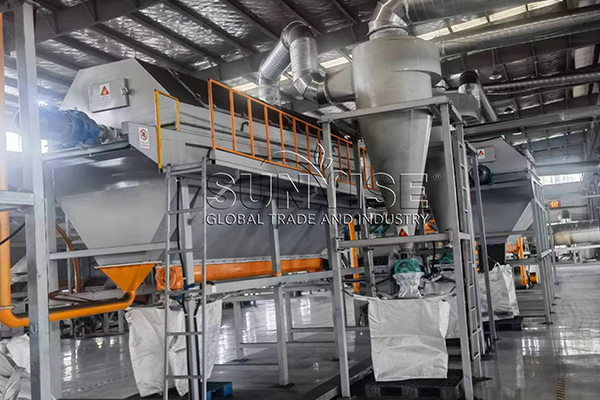
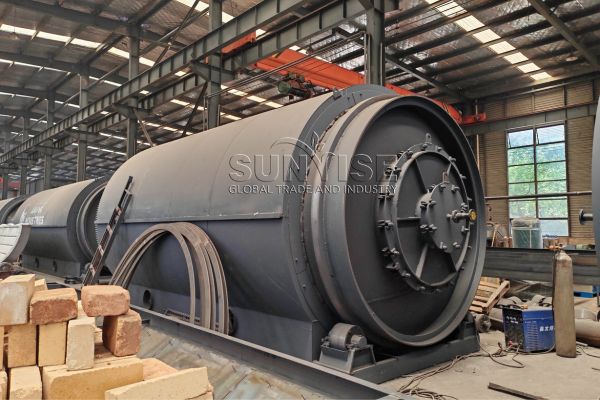
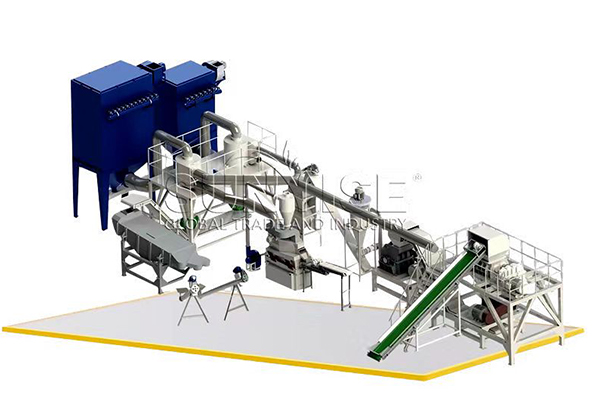
There is still a lot of work need to do to develop sustainable and efficient electronic waste management solutions. As a professional e-waste recycling machine manufacturer, SUNRISE is also working hard to cope with the growing problem of e-waste management. SUNRISE’s e-waste recycling production lines are helping lots of clients to save resources and generate economic benefits. ایک ہی وقت میں, we will adjust the proposal according to the situation of the customer’s country to ensure that every customer can get the most efficient electronic waste recycling production line.
تو, please do not hesitate to ہم سے رابطہ کریں, we’ll give you advice from a professional perspective.
ہم سے رابطہ کریں