



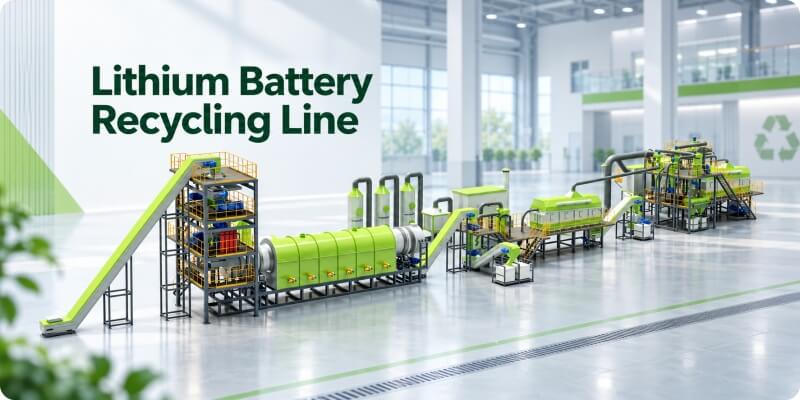




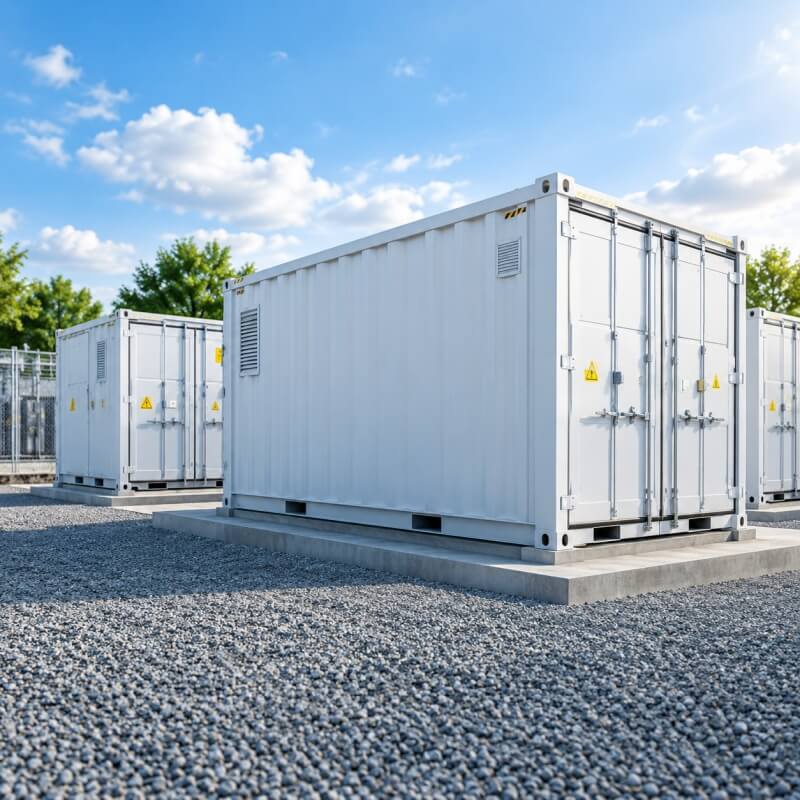





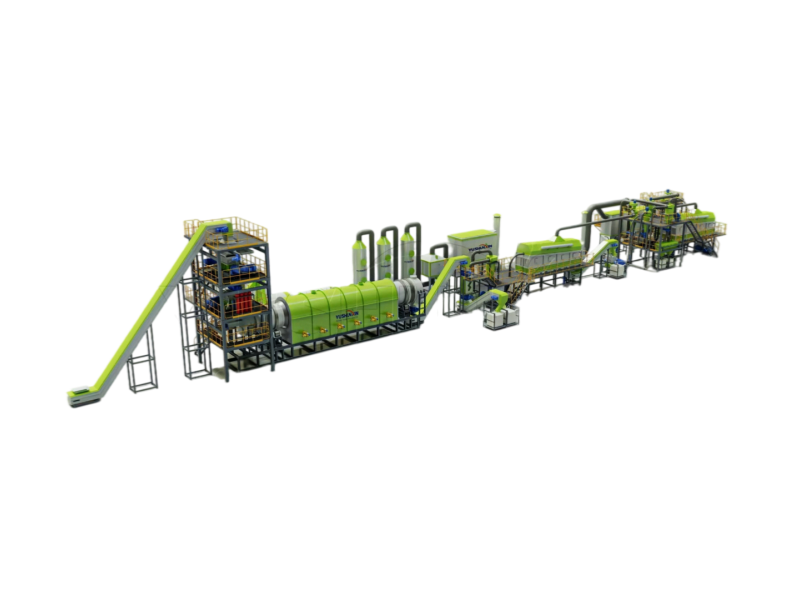


An industrial lithium battery recycling plant must match incoming battery types, conditions, and supply volumes with suitable processing routes. These choices determine the required discharge, dismantling, crushing, and separation stages, while influencing line capacity and black mass quality. Therefore, project planning must also address factory requirements, downstream product specifications, environmental controls, and total investment before equipment selection. This guide outlines the key considerations for developing a complete recycling facility.
How to Plan Feedstock and Capacity for a Lithium Battery Recycling Plant?
01 · Feedstock and CapacityFeedstock composition and supply stability determine the process configuration and capacity of a lithium battery recycling plant. Therefore, investors should assess battery chemistry, physical form, incoming volume, and processing requirements before selecting equipment. These factors also influence production efficiency, black mass quality, and investment requirements.
Identify Lithium Battery Types and Feedstock Conditions
Industrial recycling plants commonly process lithium-ion batteries from three sources:
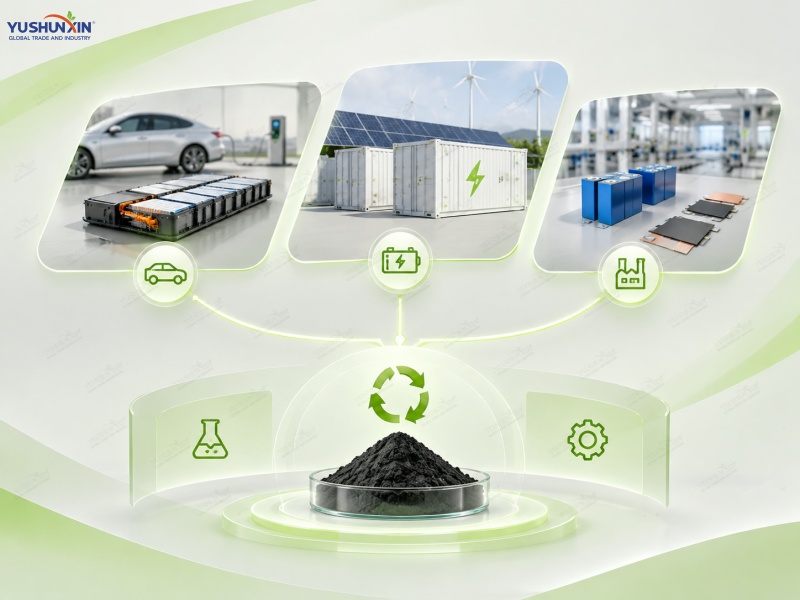
EV Batteries
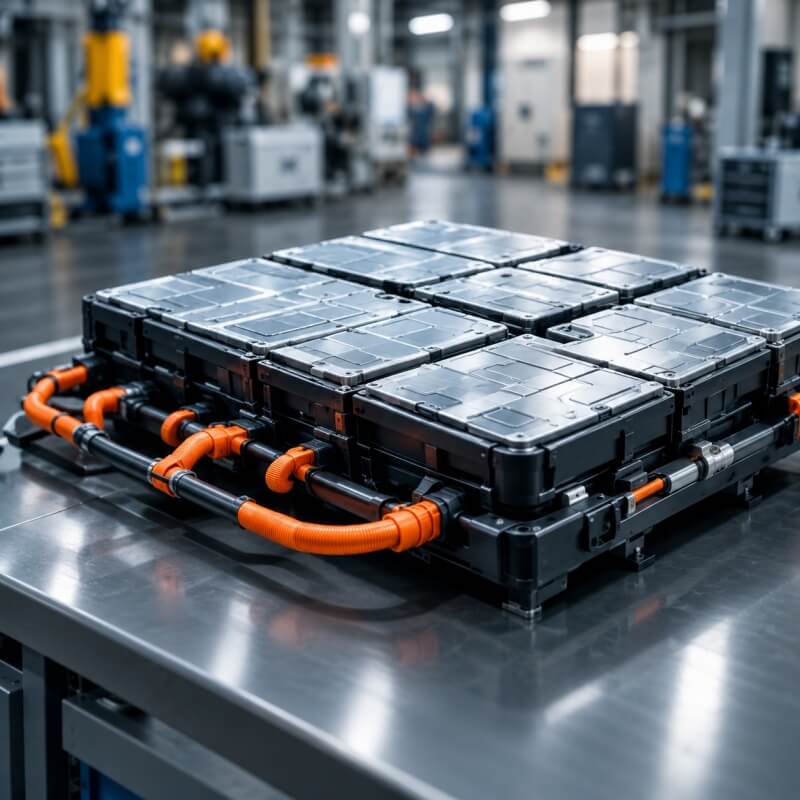
Lithium-ion battery packs, modules, and cells from electric vehicles, including LFP, NMC, and NCA chemistries.
Energy Storage Batteries
Lithium-ion battery packs and modules from commercial and industrial energy storage systems.
Manufacturing Scrap
Defective lithium-ion cells, electrode scraps, production offcuts, and rejected battery components.
However, different chemistries and physical forms require different handling and processing conditions. Therefore, evaluate battery dimensions, residual charge, structural integrity, and material composition before determining the recycling route.
Calculate the Required Lithium Battery Recycling Plant Capacity
Start by assessing your contracted feedstock supply and expected monthly intake. Then, calculate hourly throughput based on operating hours, annual production days, and planned maintenance. For example, a 500 kg/h or 1,000 kg/h lithium battery recycling production line may suit different supply volumes. However, actual throughput depends on battery structure, material conditions, and equipment availability.
Select a Production Line Configuration
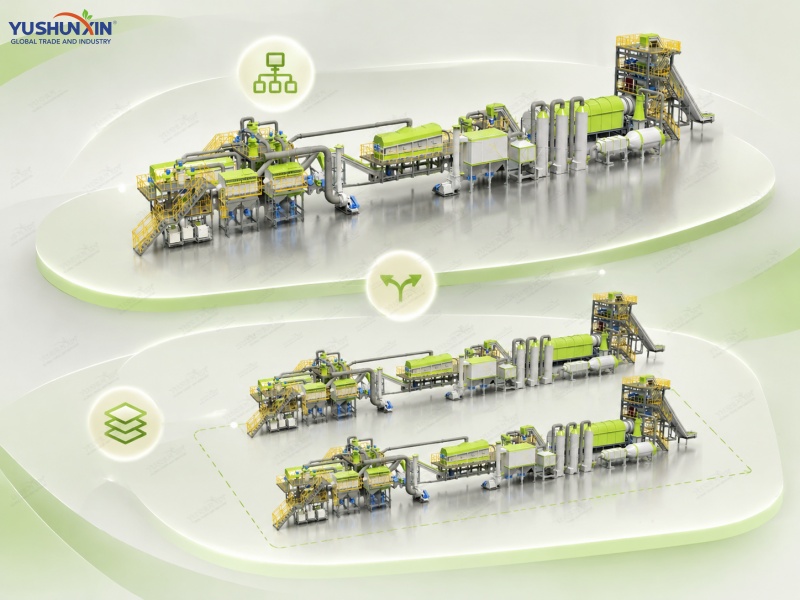
A centralized production line can simplify process coordination and material handling. Meanwhile, multiple parallel processing modules may provide greater flexibility for maintenance and capacity expansion. Your configuration should match feedstock consistency, target throughput, available factory space, and investment budget.
How to Design a Lithium Battery Recycling Line for Safe Processing and Black Mass Recovery?
02 · DesignA commercial lithium battery recycling line must coordinate battery discharge, dismantling, crushing, and material separation. Each stage affects processing safety, black mass recovery, and metal contamination. Therefore, industrial projects should configure front-end equipment according to battery structure, feedstock conditions, and target output specifications.
Configure Battery Inspection and Discharge Systems
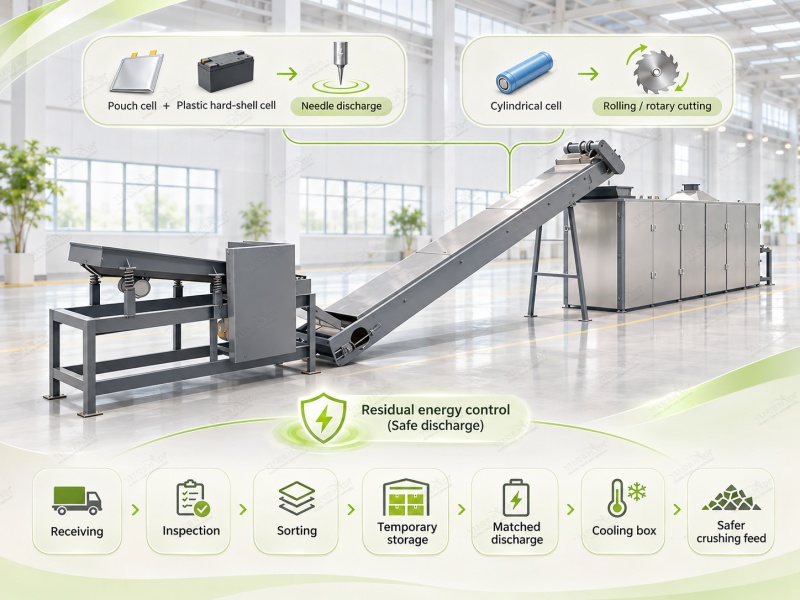
Begin with dedicated receiving, inspection, sorting, and temporary storage areas. Separate production scrap, retired battery packs, and damaged cells before processing. Discharge methods should match battery structure. For example, pouch cells and plastic hard-shell cells can use needle discharge, while cylindrical cells require rolling or rotary cutting methods. After discharge, transfer batteries into cooling boxes before further processing. This arrangement helps control residual electrical energy and reduces risks during crushing.
Get a free quote!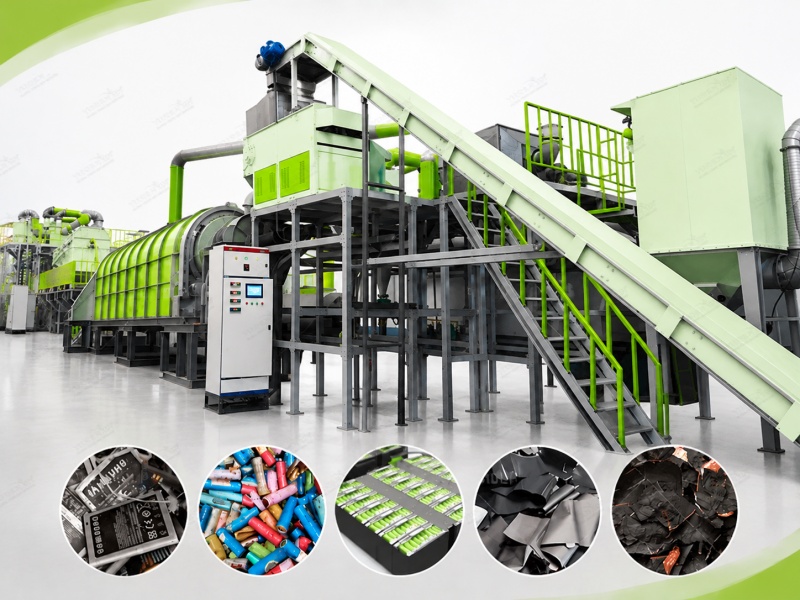
Integrate Crushing, Screening, and Material Separation
A typical lithium battery crushing system combines dismantling, primary crushing, fine grinding, screening, and separation. For a 500–1,000 kg/h industrial line, equipment capacity and feeding speed must remain coordinated. The grinding system can process materials into a reference particle range of 10–80 mesh, depending on feedstock and separation requirements. Subsequently, screening and gravity separation help separate copper, aluminum, and active material fractions.
Get a free quote!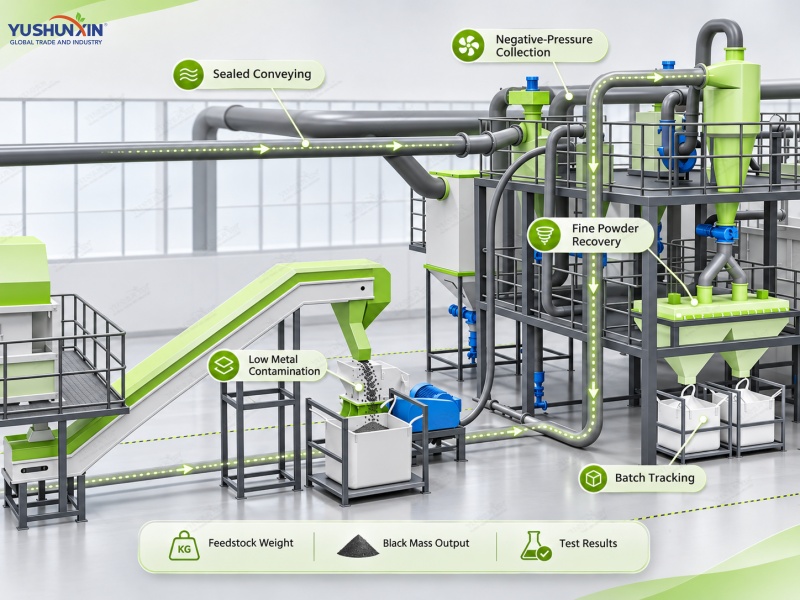
Control Black Mass Recovery Rate and Product Quality
Black mass recovery requires effective electrode material liberation and fine powder collection. Therefore, control copper and aluminum contamination, moisture, and powder losses throughout processing. Avoid excessive crushing, which can produce fine metal particles and increase impurities. Meanwhile, sealed conveying, negative-pressure collection, and dust recovery help capture fine active materials. Record feedstock weight, black mass output, and product test results for each batch. These measurements help evaluate recovery performance and meet downstream buyer specifications.
Get a free quote!How to Design a Lithium Battery Disposal Plant Layout and Utility System?
03 · LayoutA lithium battery recycling plant layout must coordinate equipment dimensions, material flow, storage capacity, and safety distances. Therefore, factory planning should cover production areas, auxiliary facilities, and future expansion. For industrial projects, site requirements should be confirmed before equipment manufacturing begins.
1 Estimate Factory Space for Different Processing Capacities
Factory size depends on processing capacity, storage requirements, and process configuration. For preliminary planning, consider these indicative space ranges:
| Project Parameter | 500 kg/h | 1,000 kg/h | 2,000 kg/h |
| Processing Capacity | 0.5 t/h | 1 t/h | 2 t/h |
| Daily Capacity (20h) | 10 t/day | 20 t/day | 40 t/day |
| Reference Factory Area | 800–1,200 m² | 1,200–2,000 m² | 2,000–3,000 m² |
| Raw Material Storage | Small to medium | Medium to large | Large-scale |
| Production Area | Compact processing layout | Integrated production layout | Large-scale integrated layout |
| Black Mass Storage | Dedicated storage area | Expanded storage capacity | Independent storage zone |
| Recovered Metal Storage | Separate collection and storage | Multiple product storage zones | Expanded product storage areas |
| Auxiliary Facilities | Basic utilities and dust collection | Integrated auxiliary systems | Higher-capacity supporting systems |
| Maintenance Space | Standard access passages | Dedicated maintenance areas | Expanded maintenance access |
| Future Expansion | Limited reserved space | Modular expansion options | Space for additional processing modules |
These estimates assume a mechanical recycling line with basic storage and auxiliary areas. Additional thermal treatment, hydrometallurgical refining, or larger storage requirements may increase the footprint. Allocate separate areas for battery receiving, inspection, processing, black mass collection, and finished product storage. Meanwhile, reserve maintenance passages, material handling routes, and designated safety areas. A detailed plant layout should reflect actual equipment dimensions and site conditions.
Confirm Electrical Capacity and Auxiliary Infrastructure
Calculate total installed power based on motors, crushing equipment, conveying systems, and dust collection units. Then, determine transformer capacity and distribution requirements. Also, confirm compressed air, cooling water, ventilation, and grounding requirements. Floor load capacity and equipment foundation dimensions must follow engineering drawings.
Prepare Factory Foundations and Installation Access
Complete civil works according to approved equipment layouts and foundation drawings. Check building height, equipment transportation routes, lifting capacity, and installation clearances. Furthermore, coordinate electrical connections and auxiliary pipelines before equipment delivery. This preparation helps reduce installation delays and supports a smoother commissioning process.
When Does a Lithium Battery Recycling Plant Need Thermal Treatment and Gas Emission Control?
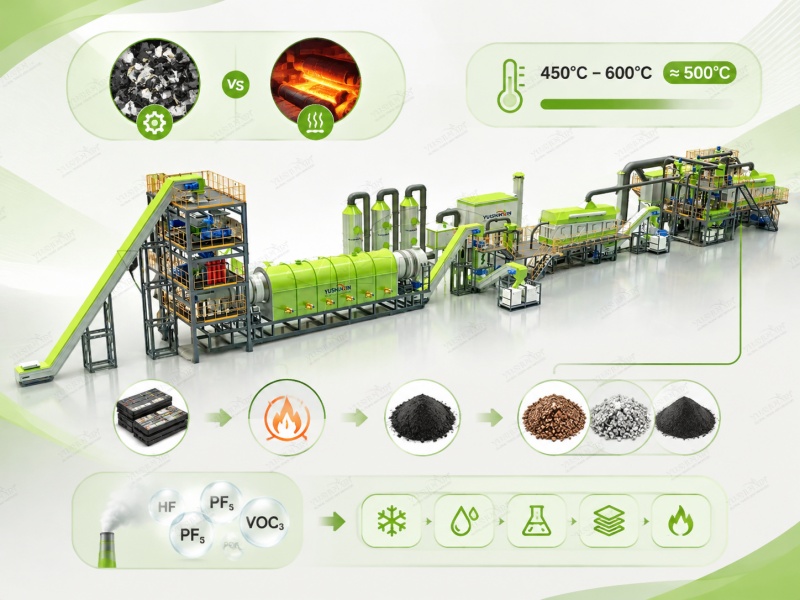
04 · Thermal TreatmentThe lithium battery recycling process may combine mechanical separation and thermal pretreatment. However, feedstock composition, recovery targets, and material preservation requirements determine the appropriate route. Therefore, investors should evaluate thermal treatment, energy consumption, and exhaust treatment before finalizing the plant configuration.
Compare Mechanical and Thermal Recycling Processes
Integrate Thermal Treatment With Material Recovery
Configure Exhaust Gas Treatment and Environmental Control
How Much Does a Lithium Battery Recycling Line Cost?
05 · CostThe lithium battery recycling plant cost depends on processing capacity, technology, automation, and project scope. Equipment investment represents only part of the total budget. Therefore, industrial buyers should compare equipment prices, supporting systems, installation costs, and operating expenses before selecting a supplier.
What Is the Equipment Investment for Different Plant Capacities?
Processing capacity directly affects equipment size, configuration, and investment. The following figures provide indicative market references for mechanical lithium battery recycling lines.
| Project Parameter | 500 kg/h | 1,000 kg/h | 2,000 kg/h |
| Processing Capacity | 0.5 t/h | 1 t/h | 2 t/h |
| Daily Capacity (20h) | 10 t/day | 20 t/day | 40 t/day |
| Equipment Investment | $120,000–260,000 | $250,000–470,000 | $500,000+ |
| Reference Line Length | 20–35 m* | 20–35 m* | Custom design |
| Installed Power | 102–238 kW* | 102–238 kW* | Project-specific |
| Feeding System | Standard | Automatic options | Customized |
| Crushing System | Primary and fine crushing | Integrated crushing stages | Higher-throughput configuration |
| Separation System | Screening and metal separation | Multi-stage separation | Expanded separation capacity |
| Black Mass Collection | Sealed collection | Sealed collection | Customized collection system |
| Dust Collection | Basic configuration | Enhanced configuration | Capacity-matched system |
| Automation | Basic PLC control | Integrated PLC control | Advanced automation options |
These estimates generally cover feeding, crushing, separation, and supporting systems. However, thermal treatment, advanced exhaust treatment, and hydrometallurgical refining may require additional investment.
What Costs Should You Include in the Total Project Budget?
A complete lithium battery recycling plant budget should include:
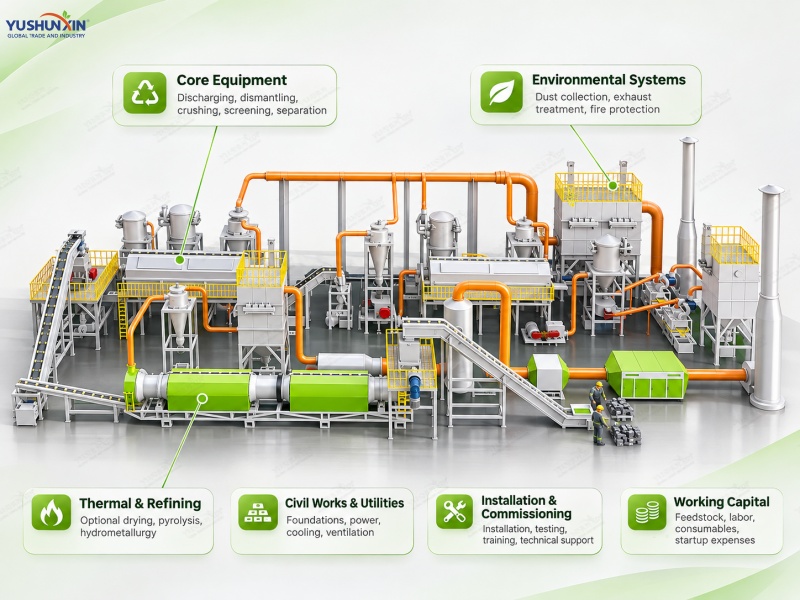
Core Equipment
Discharging, dismantling, crushing, screening, and separation systems.
Environmental Systems
Thermal and Refining Systems
Civil Works and Utilities
Installation and Commissioning
Working Capital
Consequently, request an itemized lithium battery recycling plant price quotation. Confirm equipment scope, optional modules, installation responsibilities, and excluded costs before comparing suppliers.
How Can You Calculate Operating Costs and Investment Returns?
Calculate electricity, fuel, labor, maintenance, consumables, and waste treatment costs. Then, divide annual operating expenses by actual annual throughput to determine the cost per ton. Also, evaluate revenue from black mass, copper, aluminum, and other recovered materials. However, chemistry, product quality, feedstock prices, and buyer contracts influence actual revenue. If you need it, we have an ROI estimation sheet for lithium-battery recycling production lines that can help you with your calculations.
Summary
A successful lithium battery recycling plant requires coordinated planning across feedstock, capacity, processing, factory infrastructure, investment, and product sales. Therefore, industrial buyers should evaluate the complete project rather than individual machines. Explore our lithium battery recycling machine price, lithium battery recycling for black mass recovery business plan, and 500 kg/h lithium battery recycling project in Peru for further project references. Contact our team to discuss your feedstock, target capacity, factory conditions, and investment requirements.
From Your Needs
to Real Impact


