Waste sludge is no longer just a disposal problem—it’s a hidden source of valuable resources. Modern pyrolysis plants can efficiently convert sludge into high-value oil, gas, and carbon products, turning waste into profit. Whether for industrial, municipal, or chemical applications, these plants offer not only cost savings and regulatory compliance but also renewable energy generation, helping businesses maximize revenue while staying eco-friendly. But how to treat waste sludge? We can provide you some solutions for your choice.
What Is the Process of Waste Sludge Pyrolysis?
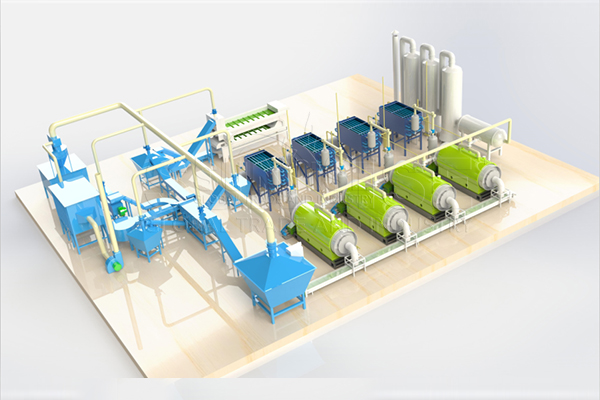
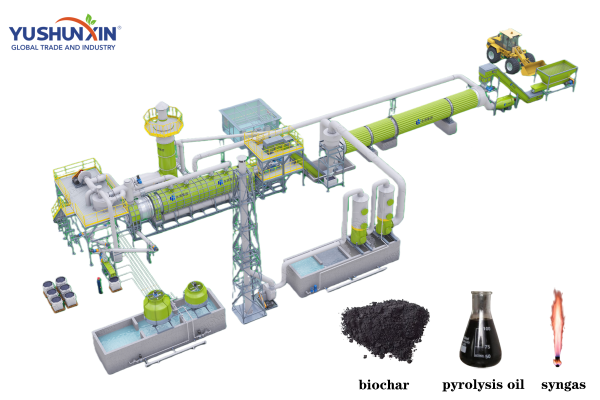
The waste sludge pyrolysis process converts high-moisture sludge into fuel, carbon products, and clean gas. Proper pre-treatment and precise control of drying and pyrolysis conditions are essential to ensure efficiency and product quality.
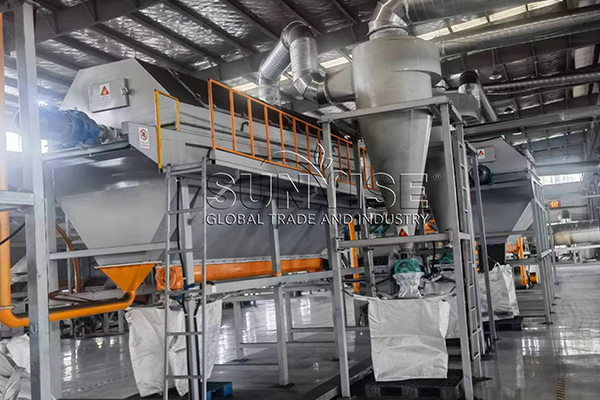
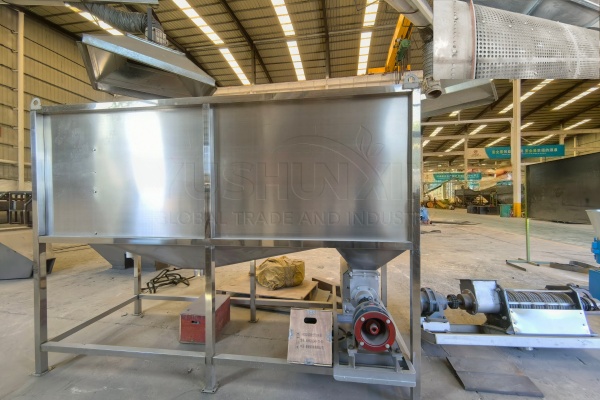
The first step removes excess water from sludge. The sludge first enters a rotary drum dewatering machine to remove excess water. The drum rotates continuously while internal screens and pressure separate solids from liquids. This process reduces moisture from 80% to around 60%, creating a stable feed for the next stage. Because the machine operates continuously, it handles large volumes without interruption. Adjustable drum speed and pressure allow operators to optimize performance based on sludge thickness. Effective dehydration lowers energy consumption in the drying stage and prevents material clumping.
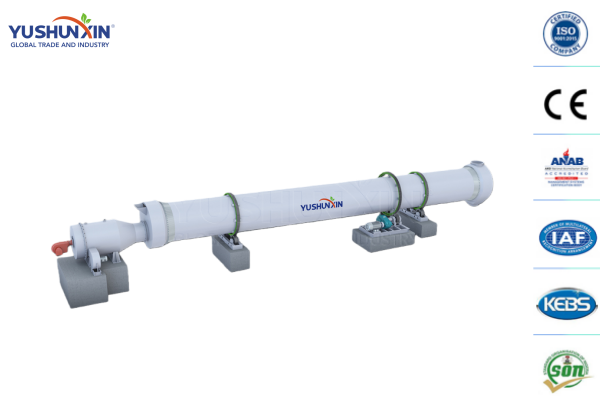
After dewatering, the sludge moves into a rotary drum dryer for deeper moisture reduction. The dryer uses 120–150°C hot air to evaporate water while the rotating drum lifts, scatters, and heats the material evenly. Residence time typically ranges from 20–40 minutes, depending on moisture content. This process reduces water levels from 60% to below 10%, preparing the sludge for efficient pyrolysis. Stable airflow, controlled temperature, and continuous feeding ensure uniform drying, prevent overheating, and maintain the quality of organic components.
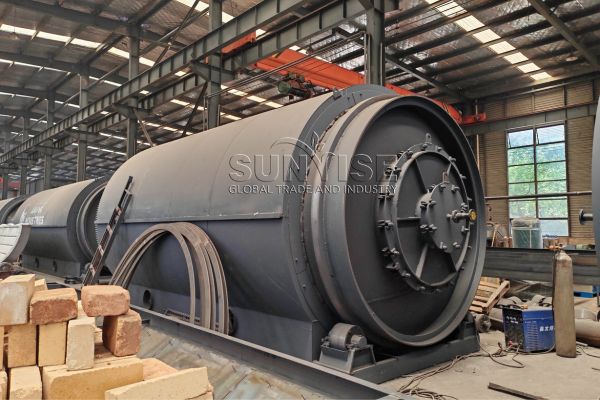
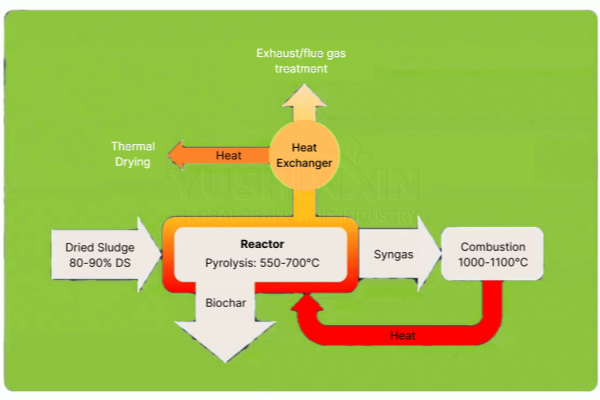
Ngäts'i, The dried sludge enters a sealed pyrolysis reactor and heats up to 400–600°C in an oxygen-free environment. At this temperature, organic compounds break down quickly into oil vapor, syngas, and solid carbon. The sludge stays in the reactor for 30–60 minutes, allowing full cracking and volatilization. Indirect heating and internal spiral blades ensure even temperature distribution. Part of the syngas returns as burner fuel, reducing energy use, while the remaining gas and oil vapor move to the condenser for recovery.
What Valuable Products Can You Get from Waste Sludge Pyrolysis?
Waste sludge pyrolysis creates multiple commercial products. Each output has clear economic value, allowing businesses to recover costs and generate profit while maintaining environmental compliance.
Temu̲ rápidamente tsa̲ da recuperar ár inversión ja 'nar planta pirólisis lodos residuales?
Período recuperación ar inversión 'nar planta pirólisis lodos residuales bi jagu̲ju̲ mfeni jar planta, hmädi ar producto, and daily operating costs. With stable sludge supply and consistent product sales, many investors recover their initial capital faster than traditional waste treatment solutions.
In total, operators can earn $300–900 per ton of treated sludge, depending on local markets. Reduced disposal and energy costs accelerate ROI and make pyrolysis a profitable long-term investment.
How Does a Waste Sludge Pyrolysis Machine Meet Emission Standards?
Regulatory compliance is critical for sludge pyrolysis. Modern machines adopt gas cleaning and control systems to reduce pollutants, ensuring emission standards are met without compromising process efficiency.
Waste Sludge Treatment Solutions for Manufacturing, Mining & campos petroleros
Different industries produce sludge with varying compositions. Pyrolysis technology adapts to these variations, providing effective solutions for manufacturing, minería, ne ja yacimientos petrolíferos Mente convertir ya residuos jar recursos valiosos.
Ya do̲ni fabricación producen lodos procesamiento químico, teñido textil, producción he̲'mi, ne procesamiento nts'i. Nuna ar lodo tso̲kwa menudo contiene materia orgánica, fibras, aceites, ne residuos químicos. pirólisis estabiliza nuya materiales ne bi pa̲ti ya jar energía utilizable. ar proceso reduce volumen residuos mäs de 60 — 70%, nä'ä reduce significativamente ar costos eliminación. ya fábricas xi reutilizar asete pirólisis jar calderas wa ndi komongu ar combustible industrial. Mente tanto, carbón to da utilizado komongu 'nar combustible sólido wa agregado ja ya materiales nju̲ts'i. 'Me̲hna crea 'nar ko gestión residuos circular ne sostenible.
ja ya minería generan lodos da contienen minerales finos, residuos orgánicos, metales pesados, ne productos químicos flotación. Traditional disposal methods cost a lot and create long-term environmental risks. Pyrolysis offers a cleaner alternative by breaking down organic compounds and reducing sludge toxicity. The process generates syngas for on-site heating and char for metallurgical use. Pyrolyzed char can also assist in soil remediation around mining sites because it stabilizes heavy metals. With reduced waste volume and regained energy, mining companies improve both environmental compliance and operational efficiency.
Oil-field sludge contains hydrocarbons, drilling fluids, paraffin, and solid particles. This type of sludge poses high environmental and handling risks. Pyrolysis recovers 15–25% crude-like oil, which can be reused in drilling operations or refined for industrial fuel. Syngas supports the plant’s heating system, reducing energy consumption. The remaining solid carbon becomes a safe, low-toxicity product suitable for construction or fuel blending. Because pyrolysis eliminates harmful hydrocarbons and minimizes waste mass, oil companies achieve regulatory compliance and lower treatment costs while recovering valuable energy resources.
Besides, waste sludge pyrolysis solution, we also can provide you with many other waste disposal systems. Such as waste tire pyrolysis plant, waste plastic pyrolysis line, etc. Welcome to contact us for your own e-waste recycling plan immediately.
Ga contactar