In recent years, the ubiquity of लिथियम बैटरी has been truly remarkable. They power our स्मार्टफोन, laptops, electric vehicles, and countless other portable and stationary devices that have become integral to our modern lives.
तथापि, as the lifespan of these lithium batteries inevitably comes to an end, a crucial question arises: what becomes of them? Do they simply end up as hazardous waste, or is there hidden value waiting to be unlocked? This leads us to explore a fascinating aspect: what valuable materials within lithium batteries can actually be recycled?
Valuable Materials Hidden in Spent Lithium-ion Batteries
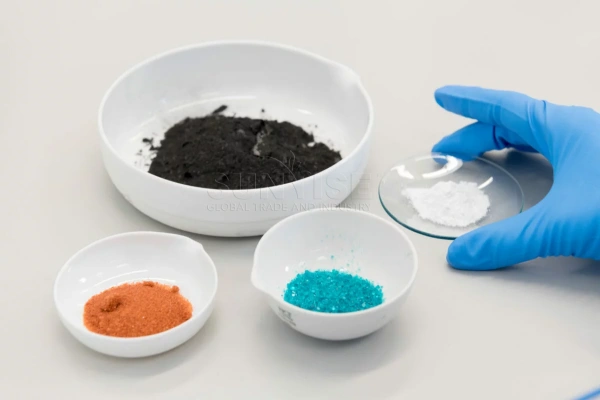
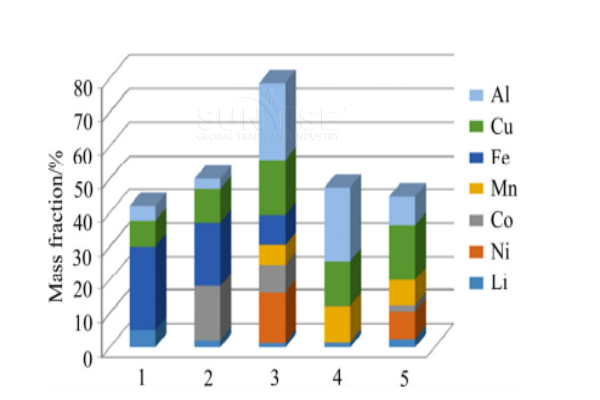
विभिन्न प्रकार के खर्च किए गए एलआईबी में मूल्यवान धातुओं की सामग्री
1. लिथियम: यह लिथियम बैटरी में एक प्रमुख तत्व है और इसे "उच्च ऊर्जा धातु" के रूप में जाना जाता है।. लिथियम में मजबूत धातु गतिविधि होती है और इसका सक्रिय सामग्री के रूप में लिथियम-आयन बैटरी में व्यापक रूप से उपयोग किया जाता है. बैटरी अनुप्रयोगों के अलावा, इसके लिथियम यौगिकों का उपयोग सिरेमिक उत्पादों में कोसॉल्वेंट के रूप में और धातुकर्म उद्योग में डीऑक्सीडाइज़र या डीक्लोरिनेशन एजेंट के रूप में किया जा सकता है।.
2. कोबाल्ट: यह एक दुर्लभ रणनीतिक धातु है. यह अक्सर लिथियम-आयन बैटरियों में मिश्र धातु के रूप में पाया जाता है क्योंकि यह अन्य धातुओं के साथ संयुक्त होता है. लिथियम बैटरी की कैथोड सामग्री में कोबाल्ट एक महत्वपूर्ण घटक है, और इसकी पुनर्प्राप्ति बहुत महत्वपूर्ण है. हालाँकि यह शुद्ध रूप में सीमित संख्या में छोटे भंडारों में ही पाया जाता है, it plays a crucial role in enhancing the performance of batteries.
3. Nickel: A silvery-white metal with a slightly golden luster, nickel is highly active. It is one of the most widely used chemical elements throughout human history and is an important constituent in lithium batteries, especially in the cathode materials, helping to improve the battery’s electrochemical performance.
4. Manganese: This chemical element is found naturally as a hard metal with a shiny silver surface and is quite brittle in its natural form. It is commonly found alongside iron deposits and is relatively easier to recover through recycling. Manganese is also an important component in some types of lithium battery cathode materials.
5. Graphite (from the anode): Graphite is the main material in the anode of most lithium batteries. इसमें अच्छी विद्युत चालकता है और चार्जिंग और डिस्चार्जिंग प्रक्रिया के दौरान लिथियम आयनों को संग्रहीत और जारी कर सकता है. पुनर्नवीनीकृत ग्रेफाइट का उपयोग विभिन्न अनुप्रयोगों में किया जा सकता है जैसे नई बैटरी या अन्य ग्रेफाइट-आधारित उत्पादों के उत्पादन में.
6. तांबा और एल्युमीनियम (वर्तमान संग्राहकों और आवरणों से): लिथियम बैटरियों के वर्तमान संग्राहक और आवरण तांबे और एल्यूमीनियम से बने हो सकते हैं. इन धातुओं में उच्च पुनर्चक्रण मूल्य होता है और इन्हें अन्य धातु उत्पादों के निर्माण में पुन: उपयोग के लिए उचित पुनर्चक्रण प्रक्रियाओं के माध्यम से अलग और पुनर्प्राप्त किया जा सकता है।.
The Gateway to Efficient Lithium Battery Recycling: Our Factory’s Solution
जैसा कि हमने देखा है, लिथियम बैटरियां अपने भीतर बहुमूल्य तत्वों का भंडार रखती हैं, यह एक पर्यावरणीय अनिवार्यता और एक आर्थिक अवसर दोनों प्रस्तुत करता है.
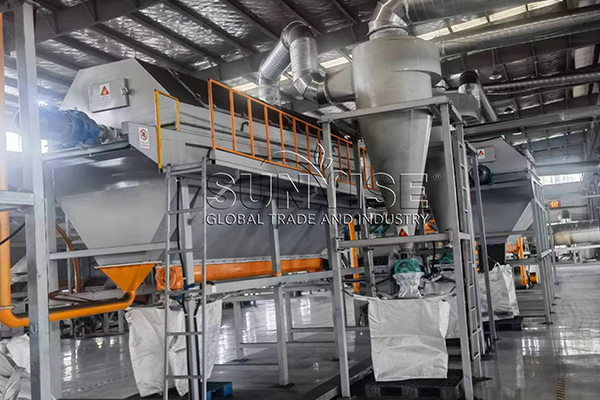
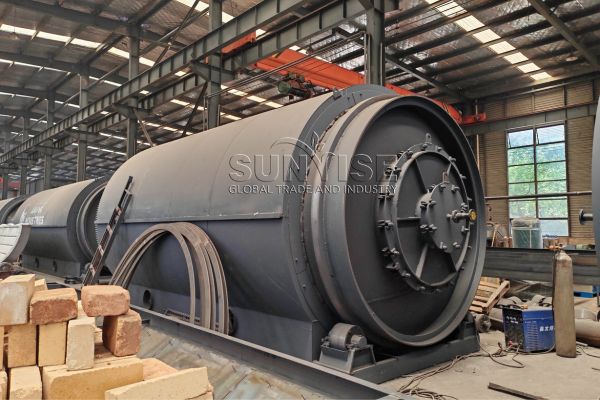
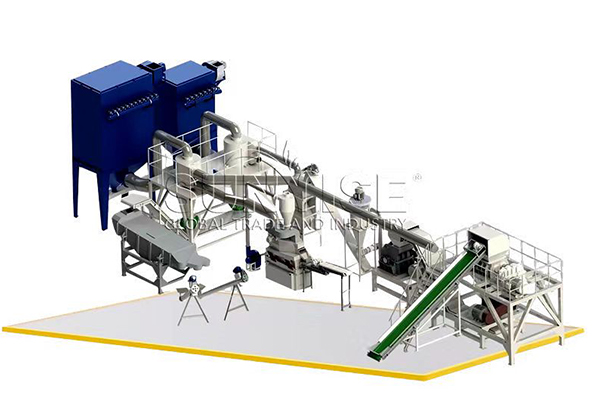
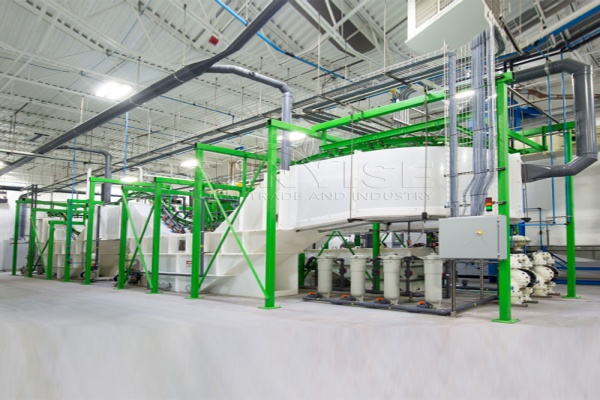
तथापि, इन संसाधनों को पूरी तरह से अनलॉक और उपयोग करना, किसी को अत्याधुनिक रीसाइक्लिंग उपकरण की आवश्यकता है. This is where our factory steps in. Our lithium battery recycling equipment is designed with precision and innovation. It incorporates advanced separation and extraction technologies that can efficiently and effectively isolate lithium, कोबाल्ट, निकल, and other precious substances from spent batteries.
Whether you are a small-scale recycler looking to expand (a 300kgh business plan)or a large enterprise aiming to optimize your लिथियम बैटरी रीसाइक्लिंग process, our factory’s equipment is the ideal solution. Contact us today and let us help you turn waste lithium batteries into valuable assets while contributing to a more sustainable future.
हमसे संपर्क करें